All Categories
Featured

Table of Contents
AI exposure tools are proliferating fast. Many of them do one thing fairly well, which is reveal you a number. This is either your brand name's mention rate, your share of voice, or your position across a handful of engines. Rankscale fits this pattern. It tells you where you stand in AI-generated responses, and after that mainly leaves you there.
You understand your brand name isn't being mentioned on a cluster of high-intent prompts. You do not know which material to fix, which angle to push, or which source you require to arrive on to change it. The data stalls in a dashboard, and the individuals who might act upon it are still attempting to determine what action to take.
Teams wind up rationing inquiries, inspecting less prompts, and refreshing less frequently, utilizing the tool less at exactly the minutes they need the most signal. The tools worth switching to turn both problems. They offer monitoring and execution in the exact same platform, with rates that does not penalize you for using it seriously.
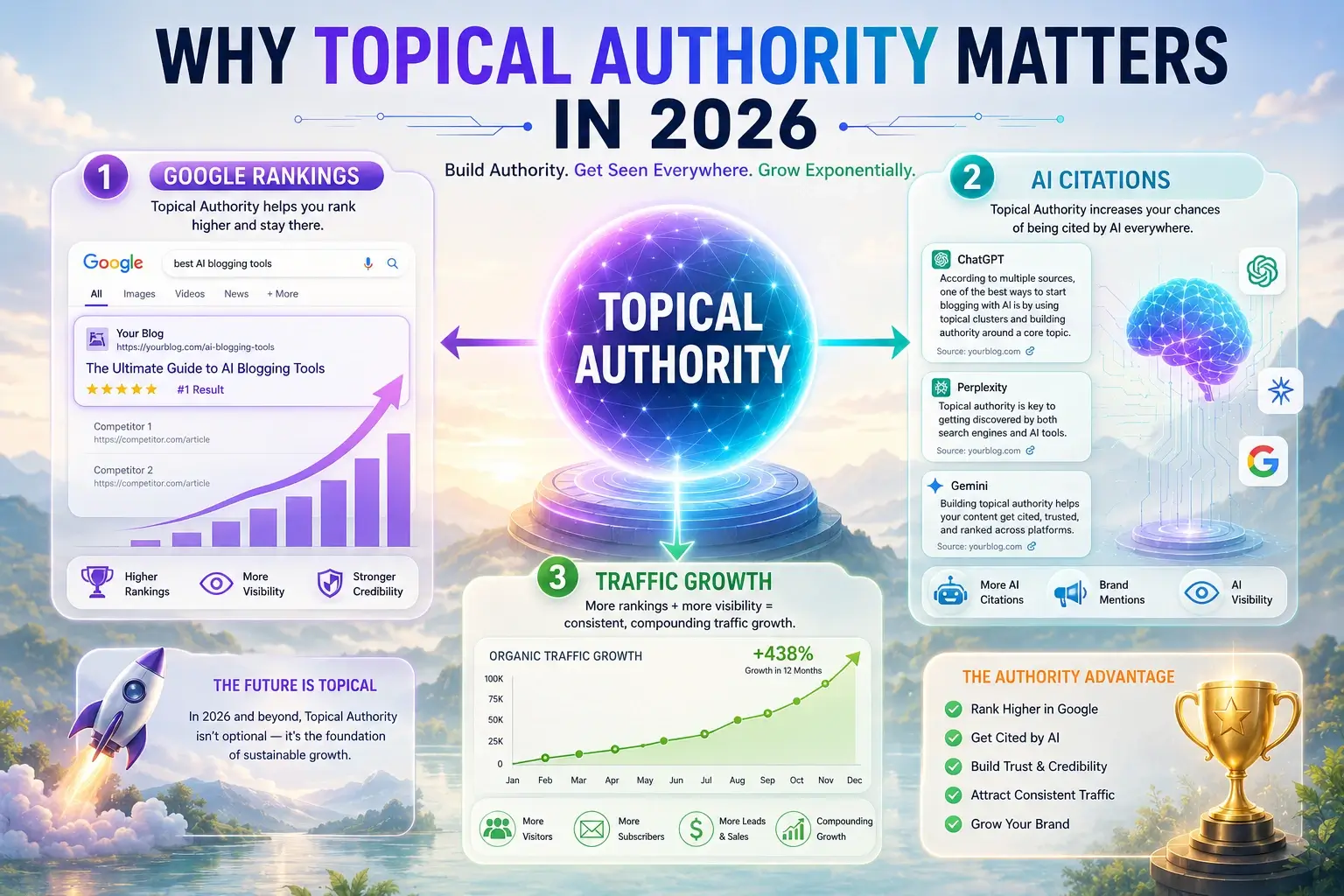
Rankscale is a genuine AI search exposure platform that tracks rankings, sentiment, citations, and share of voice throughout a broad variety of engines. It's built a genuine user base amongst startups and SMBs who desire a central dashboard for AI search tracking. However while it supplies important information, it doesn't tell you what to do with it.
[target2:anchor_exact1]The first is the credit-based prices model. Each AI engine question costs 0.25 credits per timely. Tracking 50 prompts weekly throughout multiple engines takes in around 162 credits per month. On the Fundamentals strategy (120 credits at 20/mo) that's workable at low volume for a choose number of engines, however as you broaden your prompt set, boost refresh cadence, or add engines, credit burn accelerates rapidly.
Advanced AI Writing Systems for High Growth US Companies
The third is the absence of a true action layer. Rankscale surface areas "actionable recommendations" and site audit findings, but these are guidance-level observations. The platform does not have a system that generates specific content briefs, recognizes third-party domains to target for citation positionings, or produces a week-by-week execution backlog your team can run directly.
[target2:anchor_exact1]To make it easier while you compare Rankscale AI competitors, here's a checklist of the leading 10 things to look out for. If your audience uses other AI platforms, examine they're covered.
If you're running projects across multiple markets, you'll need country-level data, not a worldwide average. Domain-level citation data informs you whether your website is being discussed. URL-level informs you which page which's the signal that in fact notifies what to develop or fix next. A photo is useful when, but a trend line informs you whether things are improving or even worse, and when something changed.
If a tool only revitalizes weekly, you could be acting on stale data. How often you appear across your tracked prompts, and how you compare to competitors. Rankings don't exist in AI search, however these metrics do. At minimum you desire CSV or Google Sheets. A Looker Studio connector deserves having if you're reporting to stakeholders routinely.
Will AI Replace SEO Work in 2026?
Look closely at the prices design before presuming you're covered. Expect prompt caps, overage charges, and what counts as a "refresh." These can press costs well above the heading cost. The finest tools include an action layer, like material briefs, suggestions, and optimization workflows, not simply information. Utilize this table to shortlist 2-4 tools.
The best AI exposure tools do more than report where your brand appears. They offer you a factor it's there and a course to change it.
It sets citation-level monitoring with Insights, an action layer that converts monitoring data into a concrete, prompt-specific task list your group can perform this week. SEO/GEO specialists and marketing generalists on lean groups who need to prove AI search exposure is enhancing with the citation data to identify why specific triggers are underperforming and the execution assistance to fix them.
The Next Phase of Business SEO Automation
Omnia's action layer evaluates 4 signals behind each tracked timely: citation concentration, your existing position, brand name power, and category context. From that it generates a prioritized job list tied to particular triggers, not unclear topic containers. Tasks consist of: Developing new content with guidance on format, placement, and lengthOptimizing existing pages with particular repairs like FAQ schema, contrast tables, or freshness signalsTargeting third-party domains for citation positionings.

Latest Posts

Why Machine Learning Content Wins in 2026
Building Keyword Clusters at Scale
Benefits of AI-Driven Authority Systems