All Categories
Featured
Table of Contents
You may not realize it, but when you browse Google (or another online search engine), and the rest of your search inquiry appears while you're typing, you're seeing predictive search at work. Today's AI search engines are so sophisticated that.Although it happens lightning-fast, there are a lot of technical operations working behind the scenes to deliver those outcomes, and AI plays a vital role in the procedure.
When you browse Google, it pulls details from your previous searches and the previous searches of millions of other users., it looks at a large variety of factors, consisting of: The language of your search.
Google Autocomplete is finely tuned to filter forecasts that do not abide by the business's terms of service, but it's not best. That being stated, users have the ability to turn off trending searches and personal results in their Google settings. Even beyond these basic personal search aspects, there's a lot taking place under the hood when predictive search returns relevant results, and AI is firmly woven into the procedure.
Why Machine Learning Shapes Modern Search Logic
According to Online Search Engine Land, Google leverages NLP to develop context around search queries.: If somebody were to type "how to fix a leakage," they could be referring to everything from a leaky faucet to a roofing system leak. Predictive search does not understand precisely, but by understanding the context, it intends to offer particular answers for the user.
These algorithms are constantly learning and enhancing in order to deliver more pertinent results in less time.: If you regularly browse for recipes and Google "how to make," machine finding out algorithms spring into action. They'll fill out the rest of the search with predictive text based upon previous searches. This is why you'll typically see popular items like spaghetti or pancakes when beginning such a search.

: Let's state you're interested in new technology, especially Apple products and releases. AI can anticipate that if you Google "newest" (based upon your search practices and interests), you could be trying to find "Apple news" or "iPhone updates." When AI looks for to understand the context and specifics around your search, it can much better tailor the outcomes to your place, time of day, and other pertinent searches.
Establishing Total Topical Authority Using AI Systems
You may not realize it, however search engines normally understand when you include a typo in a search request.: Typing "chicken invoice" rather of "recipe" will still get you chicken recipes. AI-based autocomplete will even save time by finishing the phrase. AI isn't simply pulling from search outcomes. It might have the capability to pull data from social media, present events, search trends, and popular searches (depending upon the search engine you pick).
Nevertheless, as it gets closer to the championships, a predictive search might give you schedules and other pertinent, timely information. When it comes to the search results, Google also prioritizes high-quality material. Discover more about Google's people-first material upgrade. So far, we have actually covered much of the fundamental manner ins which AI is impacting predictive search.
With more voice-activated assistants coming onto the market, smart speakers, and other gadgets that understand common speech might be able to return helpful, accurate predictions., they kept in mind that one of the expected functions was AI-powered virtual help through Siri, with enhanced capabilities to answer user queries.
Visual search functions (such as Google Lens) might utilize AI to assist you recognize what that plant is. It might reveal similar-looking plants and offer a few tips and even offer you proper care instructions for the plant in case you wish to attempt growing it yourself. Among the more innovative usages of AI in predictive search appears in e-commerce.
Google provides a Google Shopping Chart, that includes 35 billion items with images of the products along with evaluations. Can AI and predictive search understand how you feel? It depends. Particular AI models incorporate sentiment analysis to assess the sentiment or state of mind of the searcher. For example, Amazon Web Services notes that belief analysis may be integrated to examine consumer queries.
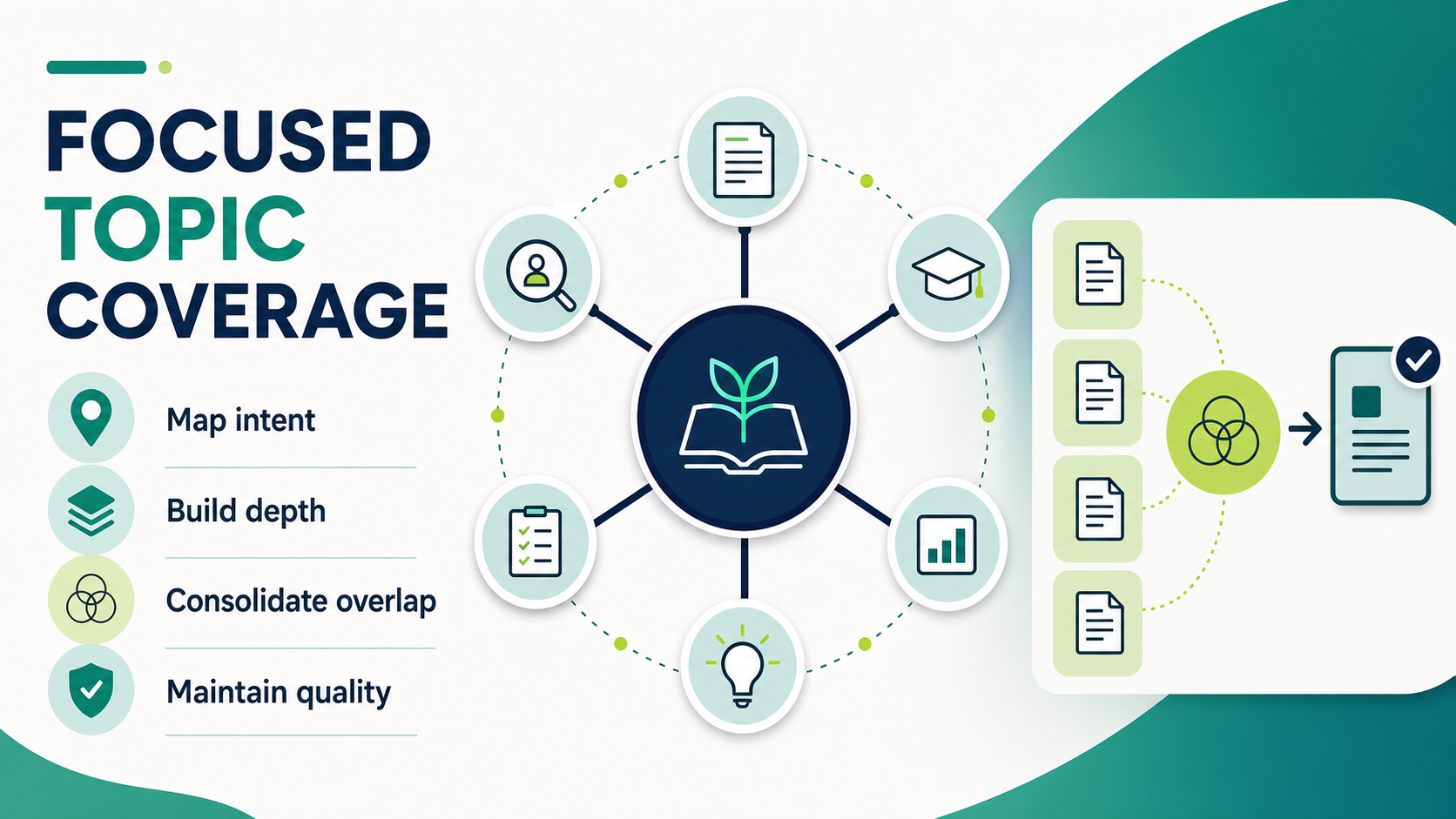
Establishing Total Topical Authority Using Smart Systems
It could forward them to customer service representatives for a more comprehensive action. It's nothing short of interesting to see simply just how much of a function AI has actually rapidly taken worldwide of search engines. From shopping to voice assistance and visual searches to sentiment analysis, AI is quickly becoming an integral part of search.

Latest Posts

Why Machine Learning Content Wins in 2026
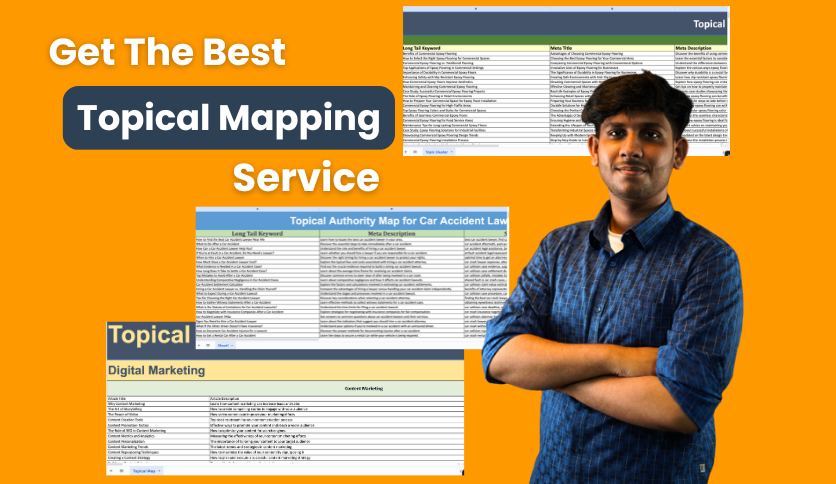
Building Keyword Clusters at Scale
Benefits of AI-Driven Authority Systems